The debate over extended Masters 1000 and WTA 1000 tournaments has been reignited over the last couple of weeks and the only conclusion can be that change now needs to come.
While adding days to the marquee events on the men’s and women’s tours has one obvious benefit for players with increased prize money, the events surrounding the Canadian Open in Montreal and Toronto should be a signal that the current format is not working.
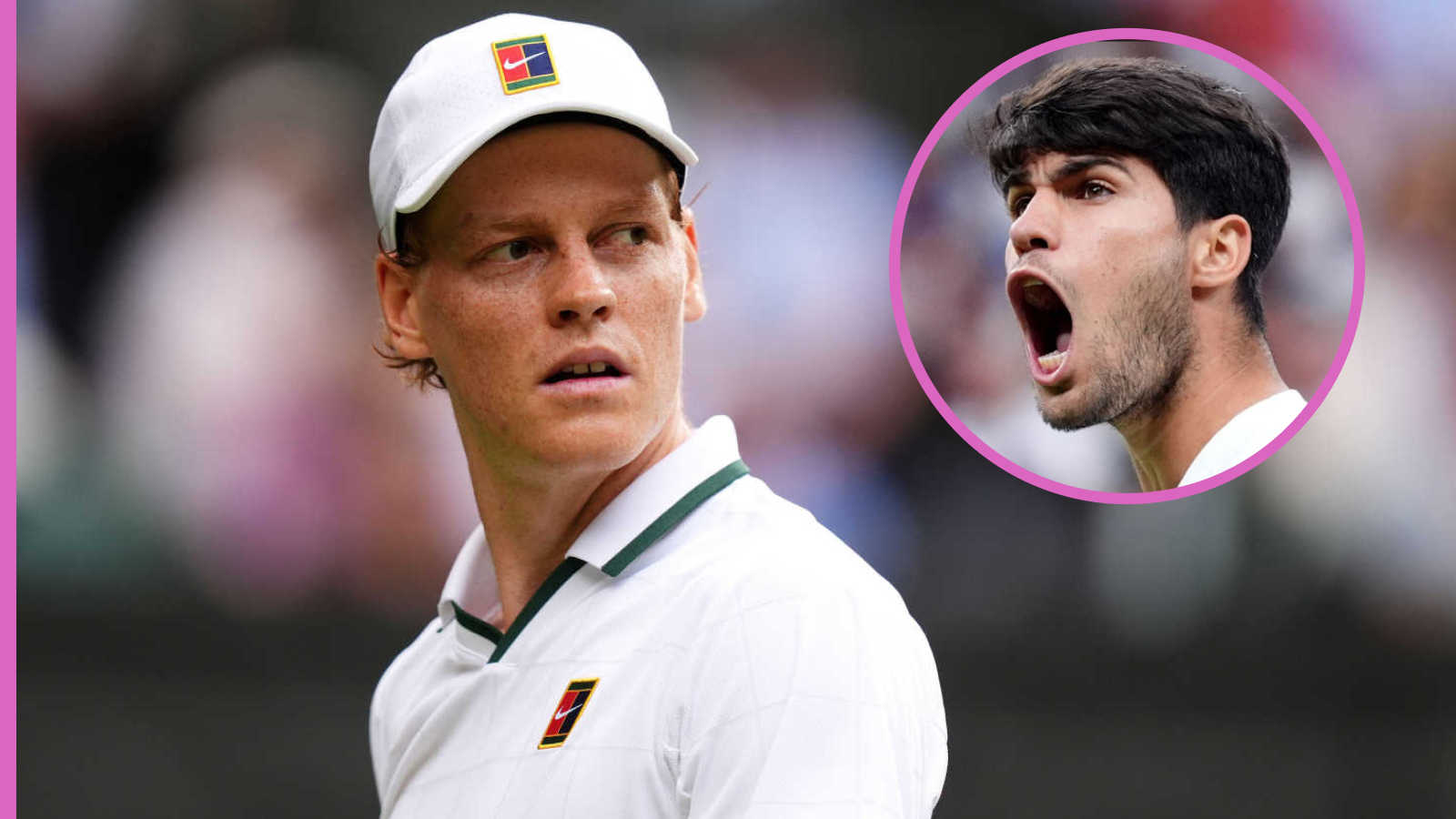
The problem around this leg of the tennis calendar has been highlighted in recent years by persistent pull-outs from big names, with this year’s absentee list in Montreal including the stellar names of Jannik Sinner, Carlos Alcaraz and Novak Djokovic.
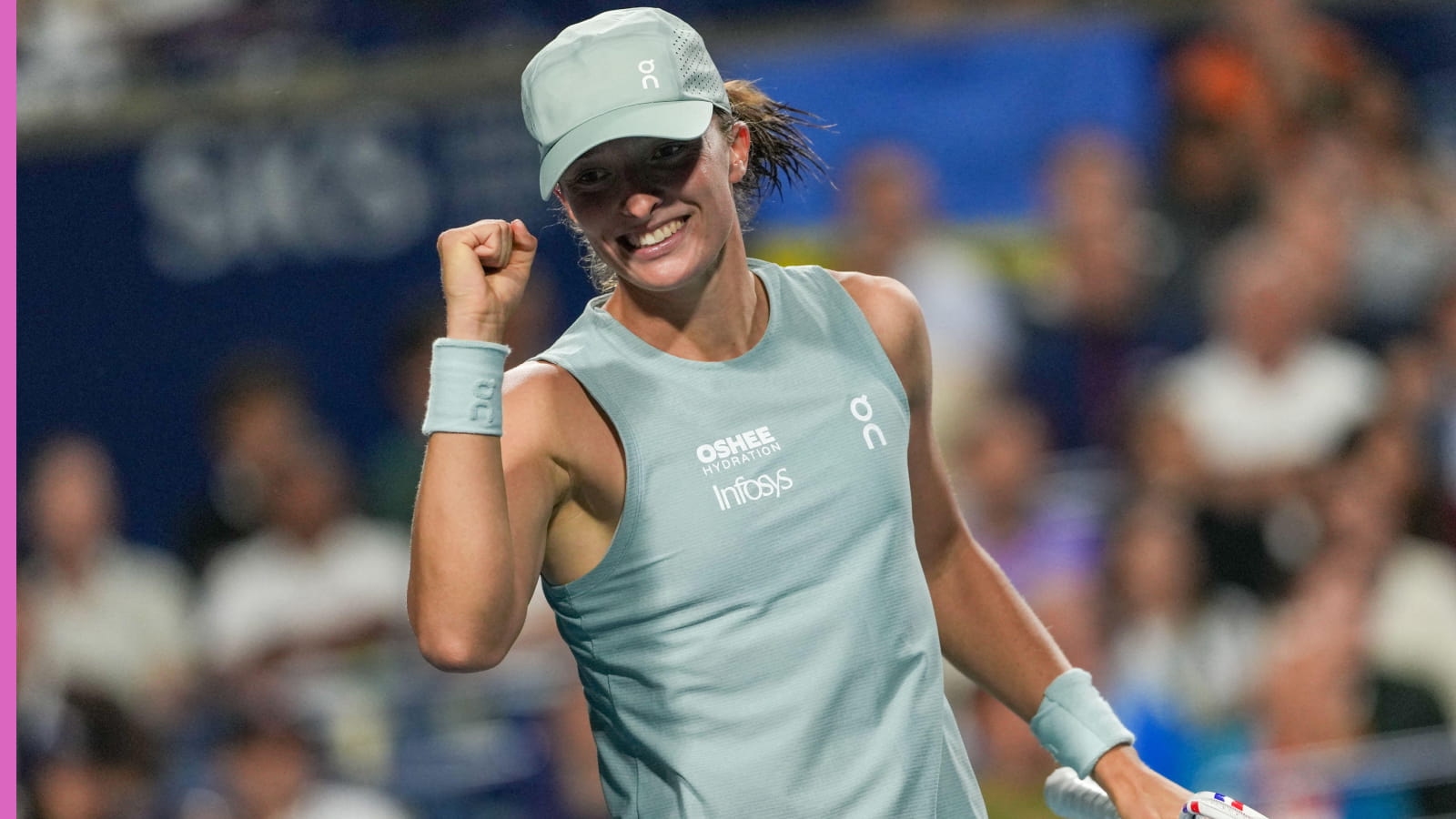
The WTA Tour event in Toronto fared a little better as the game’s biggest names did show up to play, but one glaring issue has emerged with the Canadian tournaments being staged at different venues.
Playing 12-day events is only feasible when the men’s and women’s draws are taking place in tandem at the same location, but the order of play in the two events that will end with Thursday finals has been less than enticing.
More Tennis News
If tournament organisers have the opportunity to mix up their offerings for spectators with men’s and women’s matches, they can provide a spectacle befitting the significance of the tournaments.
The trouble is, they have not had enough players to send into battle to keep the interest of the tennis world on their event, especially when so many big names are absent.
If we were waiting for an Sinner vs Alcaraz final in Montreal, the long waits between matches may well have been forgotten, yet this has felt like a tournament that ran out of steam long ago.
The women’s event in Toronto has been more engaging, but two-day gaps between matches for players is not needed for best-of-three-set tennis, with observers who claim the breaks between matches help players not a valid argument, especially in the shorter women’s events.
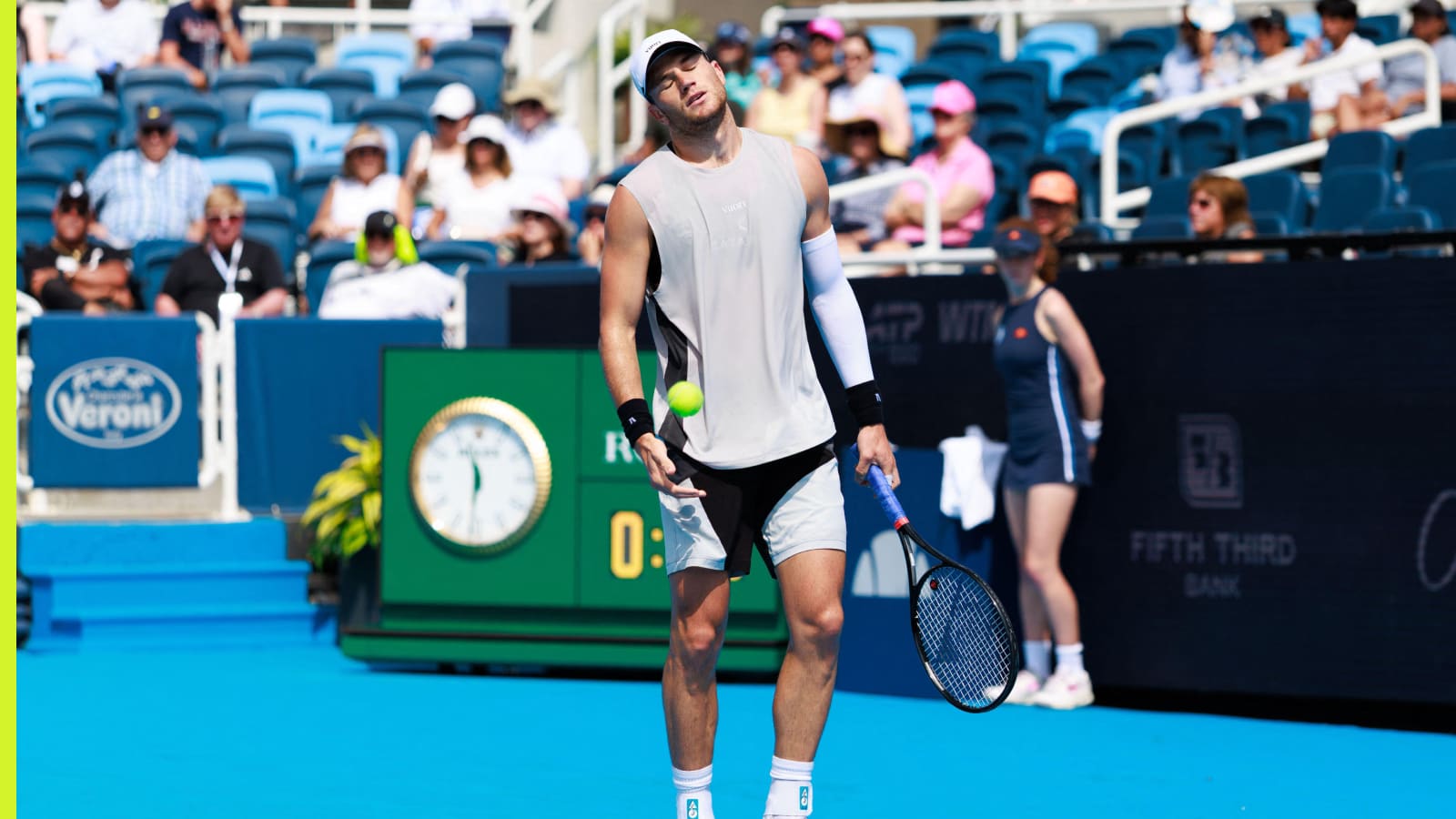
More and more players are joining the chorus asking for changes to what feel like uneccesarily extneded tournament, with world No 3 Alexander Zverev summing up his views with some brutally honest comments in Montreal.
“If you play everything and you’re a top player, you spend seven weeks here in North America. That is quite a long time,” he said.
“And I think that’s why a lot of top players, they choose not to play Canada for multiple years now. That’s unfortunately the sad reality of it.”
Want more from Tennis365? Add us as a preferred source on Google to your favourites list for tennis coverage you can trust.
Asked how to fix the problem, he replied: “How it always was. Quite simple. Make us be here for two weeks, not seven.
“For the Masters, it’s two weeks for both of them, and I think that’s an easy fix, regarding top players playing.”
ATP Tour chiefs have insisted they are happy with the new 12-day format for their Masters 1000 events and that suggests change will not be forthcoming, but pressure is certain to mount if top players continue to pull out of tournaments.
Players, TV viewers and tournament organisers are all battling a set-up that is not working for anyone and tennis chiefs need to accept their desire to extend their biggest tournaments is not working, with the Canadian Open the first tournament crying out for a more realistic schedule.
READ NEXT: Cincinnati Open withdrawal list: Naomi Osaka pulls out as absentee list grows to 15