In 2019, football gradually brought in the video assistant referee, as the need to improve officiating accuracy and minimise mistakes grew.
The idea was sound. The use of replays and other officials should, in theory, have corrected ‘clear and obvious errors’.
Fast forward to the present, and VAR is deeply unpopular in the English Premier League. Indeed, fans of teams in the English Football League don’t want VAR, and clubs have repeatedly voted against introducing it.
Many argue that VAR has killed the football viewing experience, as supporters and players can never truly celebrate a goal without the fear of it being ruled out for some microscopic or pedantic indiscretion.
Referees and their cohorts are repeatedly making high-profile and baffling decisions, and the quality of officials on the pitch seems to be getting worse. In tennis, Hawk-Eye technology has largely been a big success, with the electronic line calling system having a margin of error of a matter of millimetres.
More Tennis News
Want more from Tennis365? Add us as a preferred source on Google to your favourites list for tennis coverage you can trust.
That is not to say that the sport doesn’t have its problems. Indeed, for more than five years now, 25-second shot clocks have been used at Grand Slams and the ATP and WTA Tours.
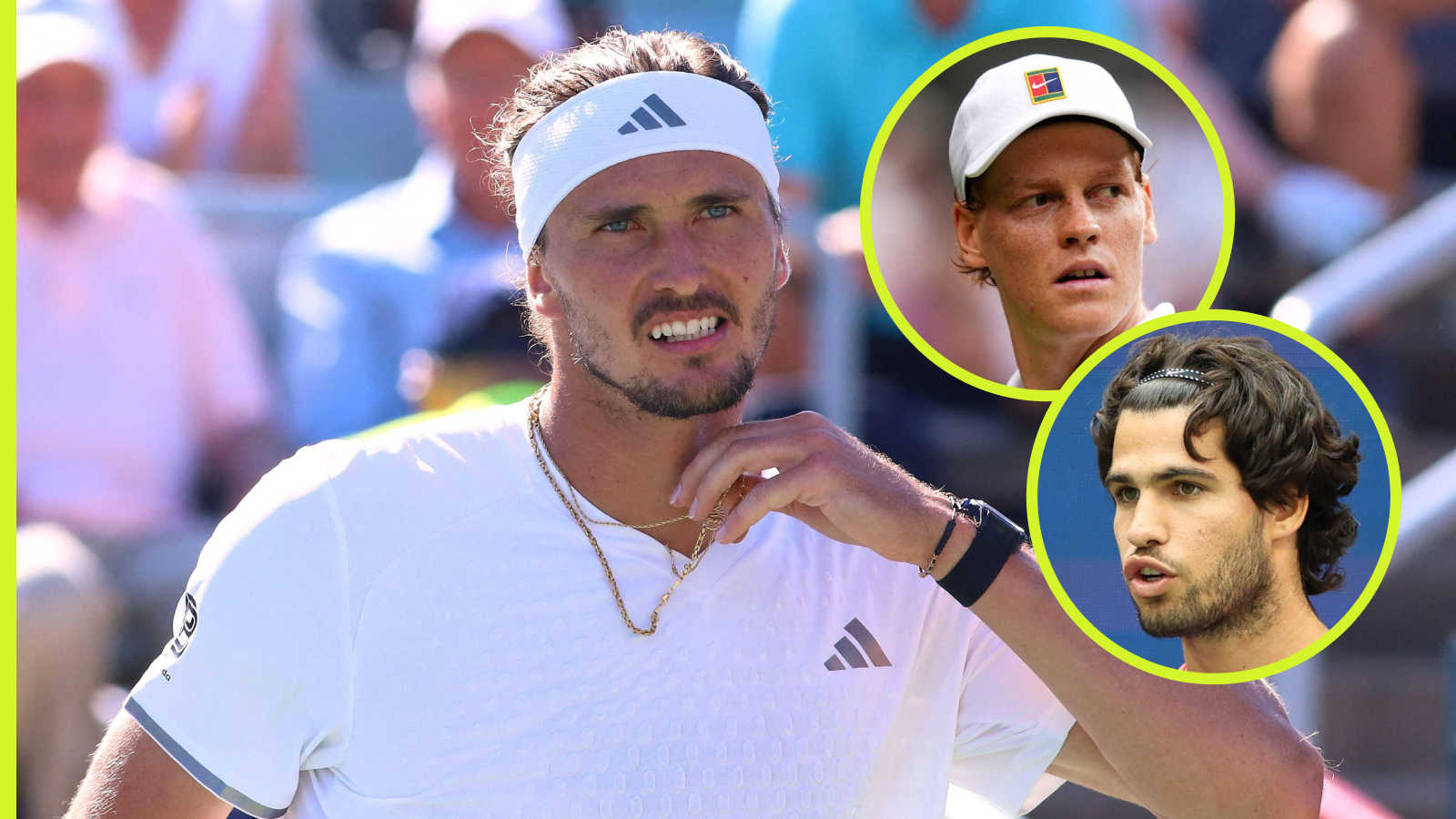
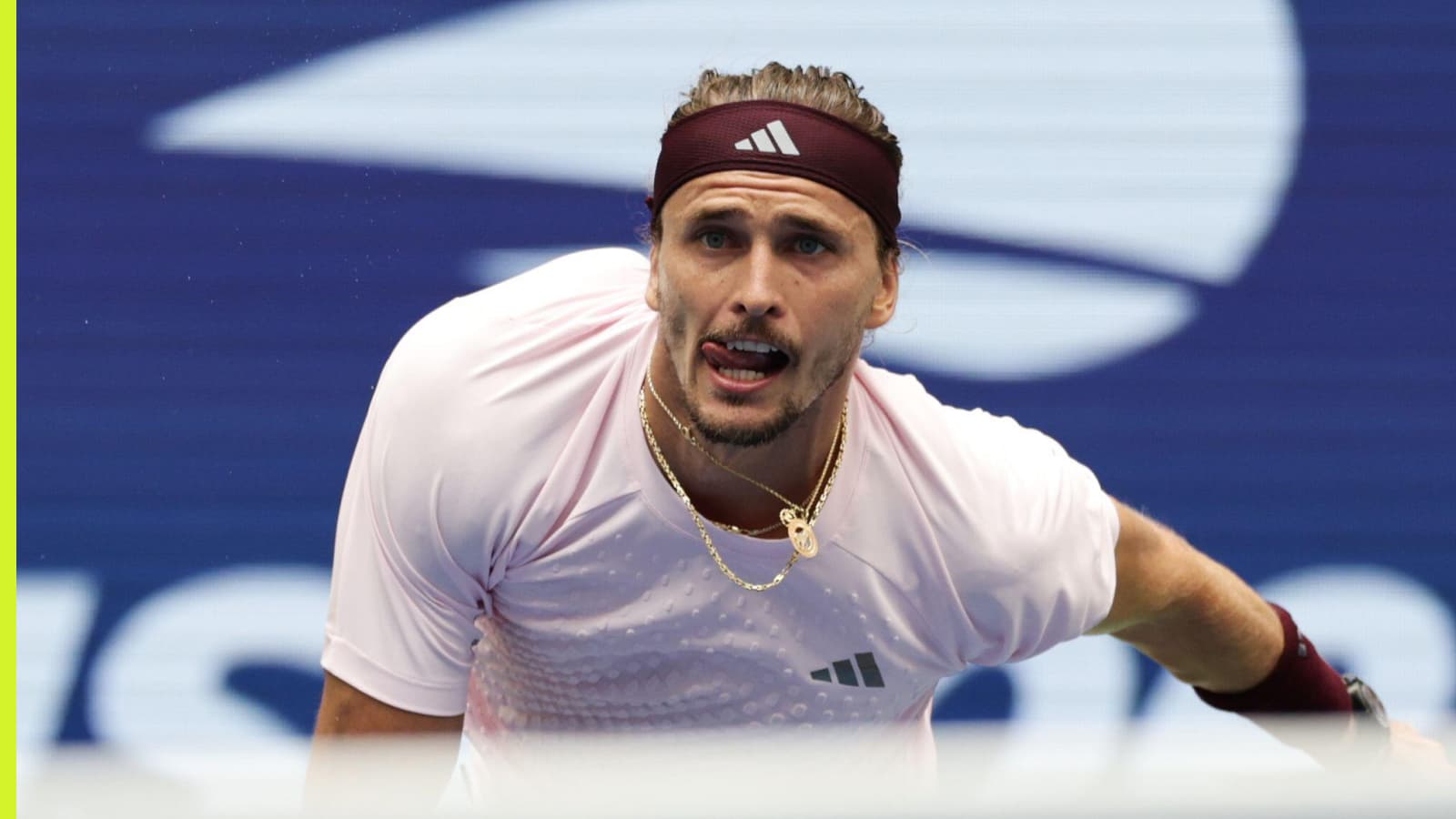
While players have 25 seconds to initiate player after a point ends, there is no such rule in place for the second serve. US Open champion Alexander Zverev appears to be the poster child for making the most of this tennis loophole.
Among his many critics, former world No 1 women’s doubles player Rennae Stubbs has called for fans to even boo players who take too long for the second serve. While Zverev is by no means alone in this, but he may be the most prominent and high profile example.
The Australian said on The Rennae Stubbs Tennis Podcast, “What the f***? Sascha Zverev. 25, 22, 24. There is not even a semblance of the same thing; it’s just bounce, bounce.
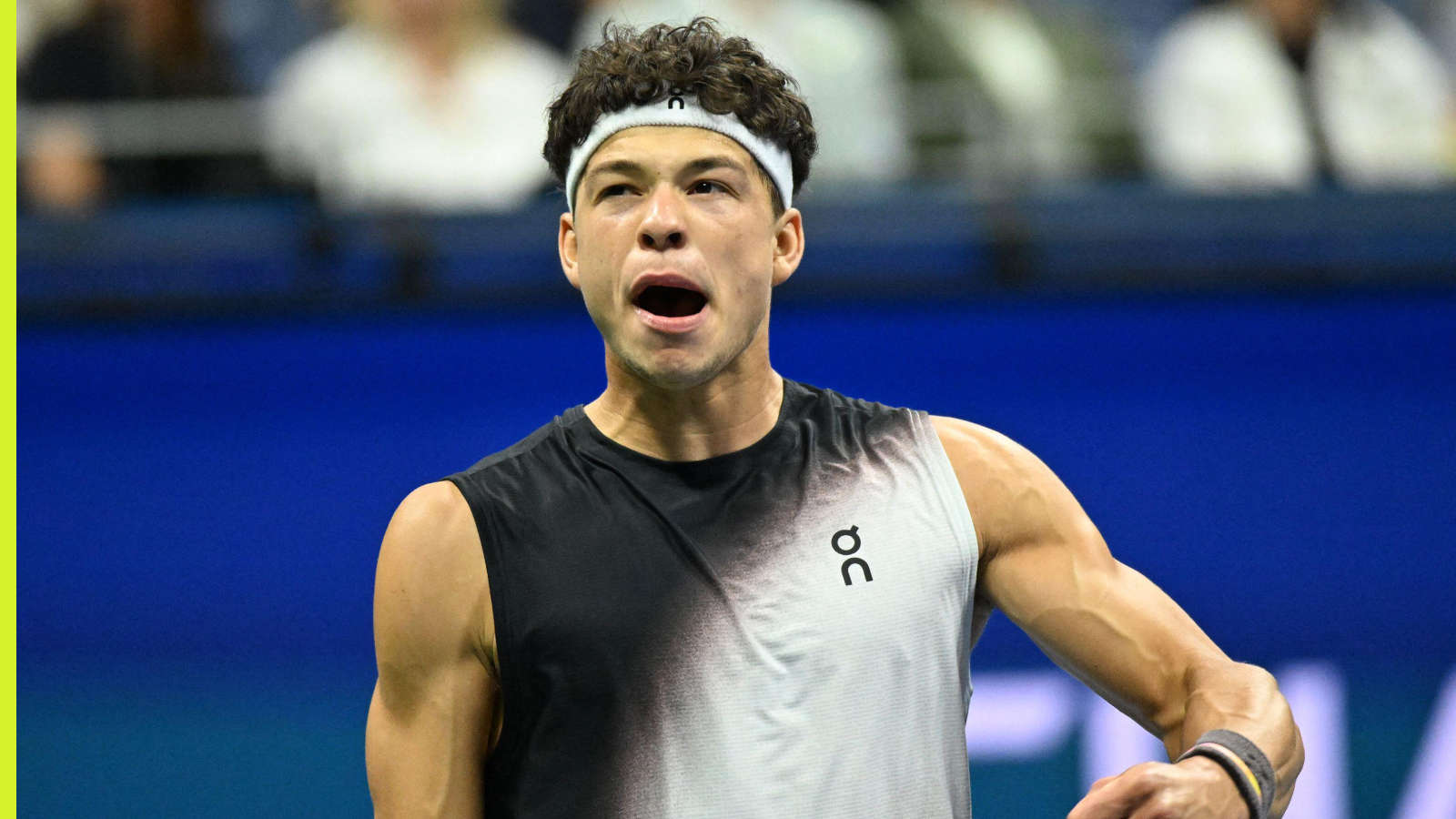
“Did you see (US Open finalist) Ben Shelton? He was standing there like he was waiting for his girlfriend to pick up a coffee. What are we doing here? Last time it was 25 bounces, this time it was 12?! I think we have to shame them. Just start booing for the 10th bounce. Shame!”
Co-host Andrea Petkovic said the time Zverev took for his second serve in his four set win over Shelton was “unbearable” and just as a player needs rhythm and routine on their serve, the same can be said on the return with split steps.
So, the shotclock appears to have created a problem that wasn’t previously there. Moreover, United States Tennis Association CEO Craig Tiley, who defended the US Open‘s late-night finishes, claims shotclocks have actually increased the length of matches.
He told Sky Sports, “I hear from a lot of people that it finishes too late and then I say, okay, and your suggestion is? I don’t get anything. You can’t control the length of the match. What’s really interesting is in the last 10 years the amount of tennis from when you hit a point to when a point stops has been about the same.
“But the length of the matches on the men’s side has increased by an average of about 25 minutes. That’s because we now have the shot clock so everyone is taking their time, and we have the towels here which takes a bit more time and so the whole length of it is a bit longer. Not that much longer, but in fact the average time of the men’s matches today is still not in the top four average times in the last 10 years.
“While it feels really late, the reality is you’ve got to go and look at the data, But that being said, no one wants to finish at 3.30am in the morning, although the rest of the world in the daytime saw a pretty amazing match.”
VAR has arguably been more negative than positive for football. Tennis has a chance to not follow in football’s steps and nip this delay between first and second serves in the bud before it gets out of hand.
WHAT NEXT? China Open withdrawal list: Emma Raducanu joins Alex Eala as 7 stars pull out