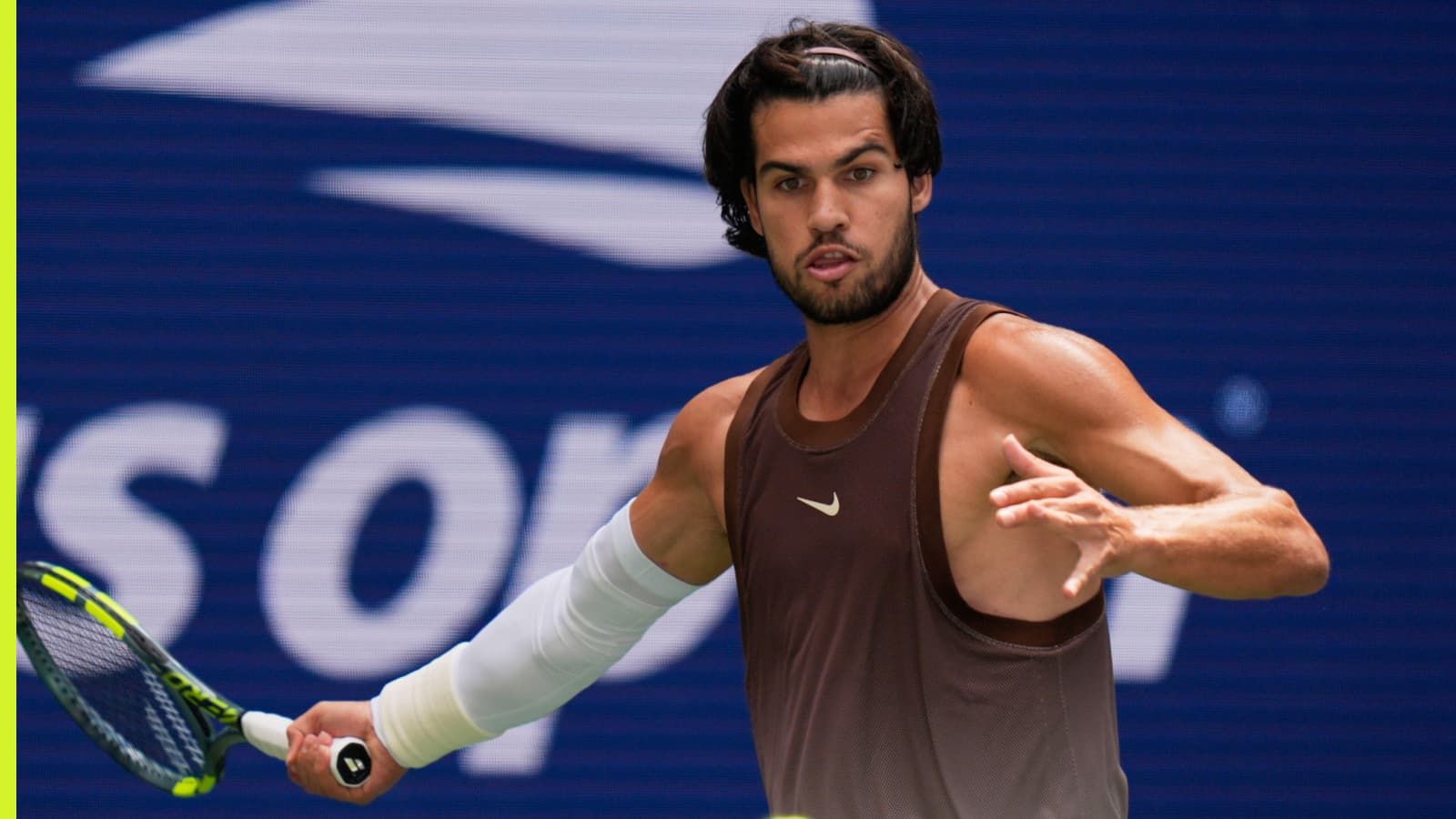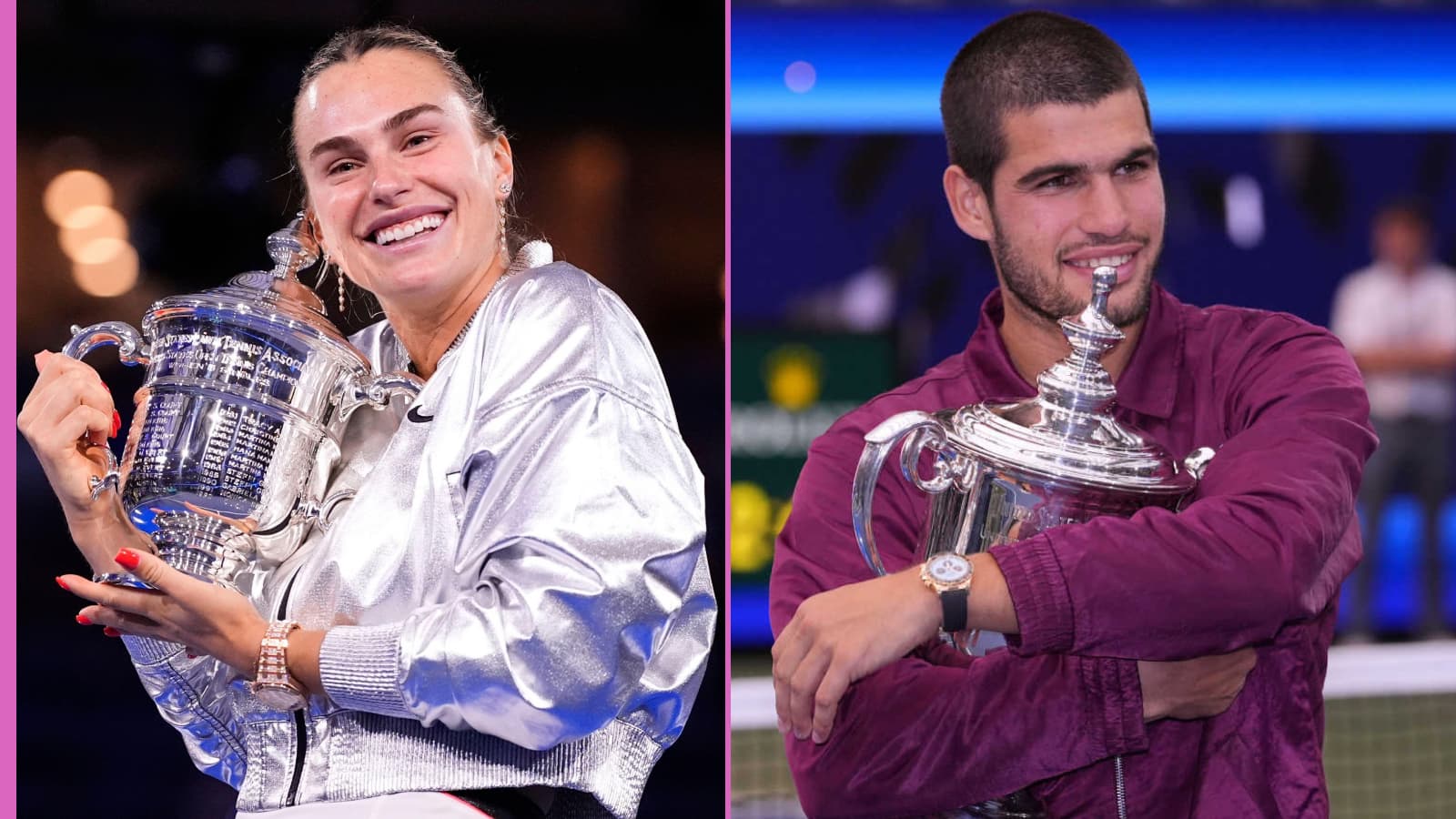
Carlos Alcaraz could be set to revolutionise the way players tackle the hectic tennis schedule with his latest comments at the US Open.
“In the future, I’m going to take some breaks,” said the Spaniard after his second round victory against Jaime Faria. Maybe not four months, but one month, two months, missing some tournaments, because it’s impossible to play them all.”
It’s understandable to see why Alcaraz would think like that, having missed four and a half months of action due to a wrist injury suffered at the Barcelona Open in April.
However, his words could now lead many of the other top stars in tennis to follow him with a smaller schedule.
Jannik Sinner has already seemingly followed suit, particularly on the grass court swing where he only played Wimbledon, and now Aryna Sabalenka has suggested she could follow suit.
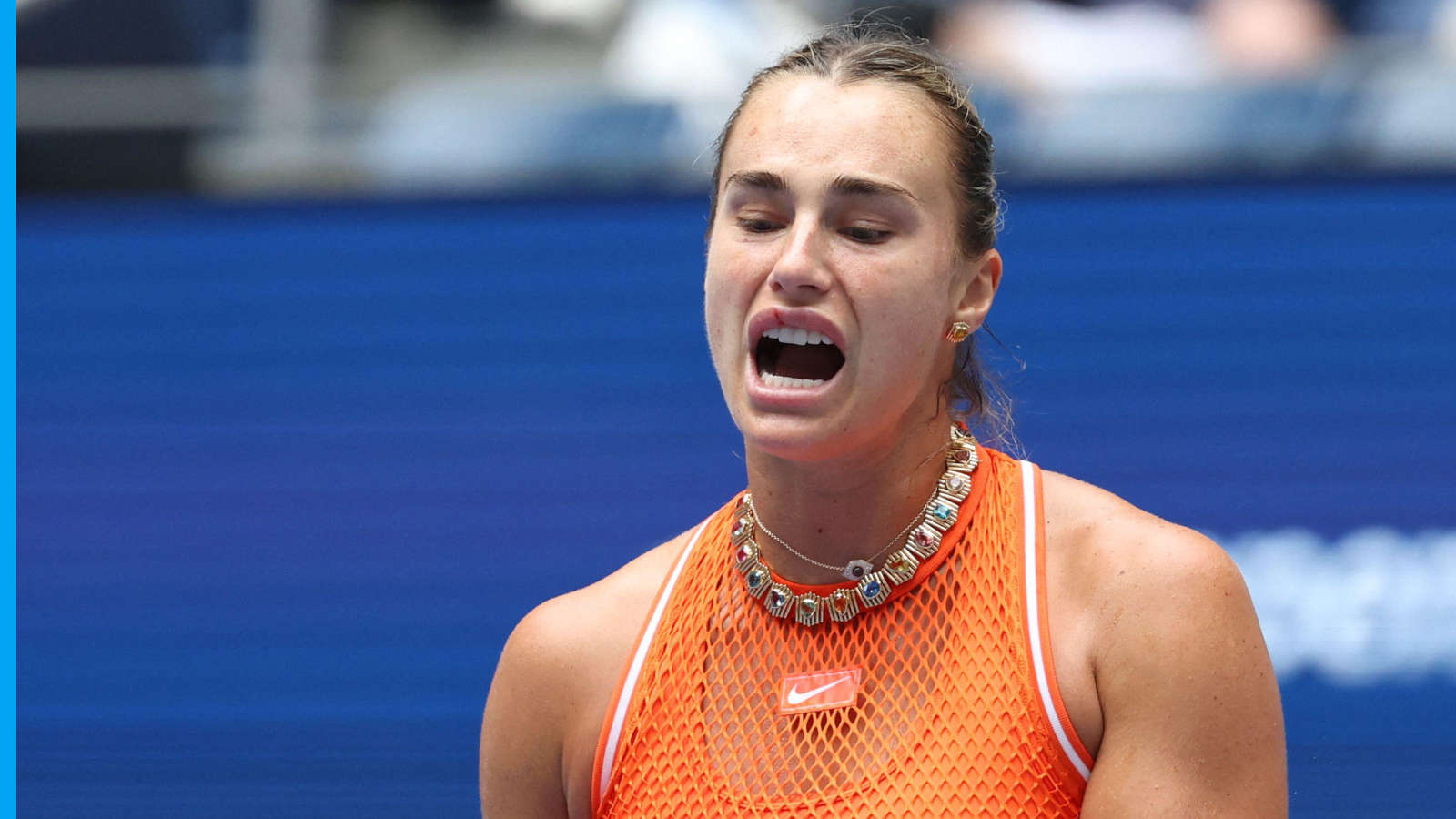
Speaking at the US Open, after her third round victory against Kamilla Rakhimova, Sabalenka was asked about Alcaraz’s recent comments on the schedule.
More US Open news
“I would love to see changes to the calendar and eliminate the mandatory events to let the players decide what’s best for their health,” said the world No 1.
“It’s been incredibly intense. Especially if you play at the level Carlos plays, which is basically very consistent, it’s very hard on the body.
“If they’re not going to reduce it, we’ll have to sacrifice points, ranking position, whatever it takes, to protect our bodies. I think it would be really helpful for the WTA and ATP to relax the calendar a bit for us in order to truly support our health.”
Sabalenka has similarly played a more selective schedule on the WTA Tour at times during the 2026 season.
The world No 1 missed the Middle Eastern swing, meaning she did not play a single tournament after the culmination of the Australian Open to the Sunshine Double.
It worked wonders for Sabalenka, as she claimed both tournaments on the Sunshine Double, winning both Indian Wells and the Miami Open in the United States.
To date, they are two of the three tournaments she has claimed this year, so it choosing a more selective schedule could be massively beneficial for Sabalenka.
In fact, Sabalenka played a more hectic schedule on the clay and the grass and she subsequently suffered several early exits at the tournaments.
She was beaten in the round of 32 at the Italian Open by Sorana Cirstea, and she suffered her earliest exit at Wimbledon since 2019 as she lost in the round of 16 to Naomi Osaka.